

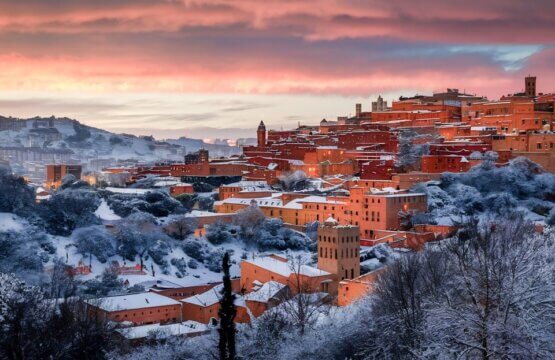
Do You Have to Wear a Headscarf in Morocco?
- 26 March 2025
- EN Blog
 by Stayhere Blog
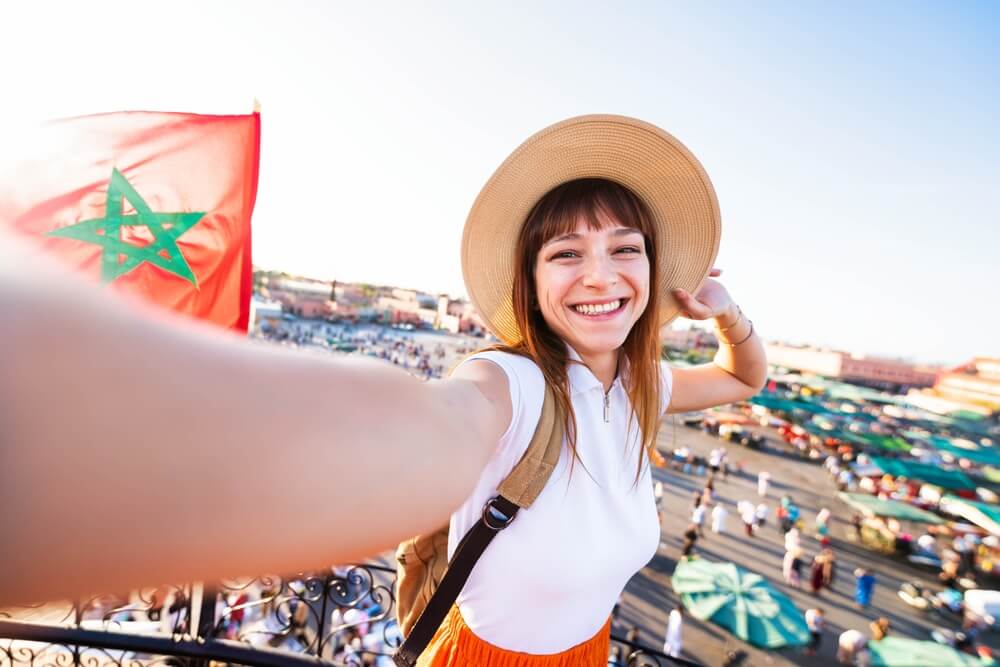
Ever wondered about experiencing cool Atlantic breezes one day and hot deserts the next? I’ve traveled across Morocco and found timing is everything. This guide shows why when you go matters and when is the best time.
I’ve walked through lively medinas in Casablanca and explored huge dunes near Erg Chebbi. Each place has its own weather and pace. I aim to help you pick the best time for your trip. Stay Here has deals that match the seasons, so let’s find the perfect month for you.
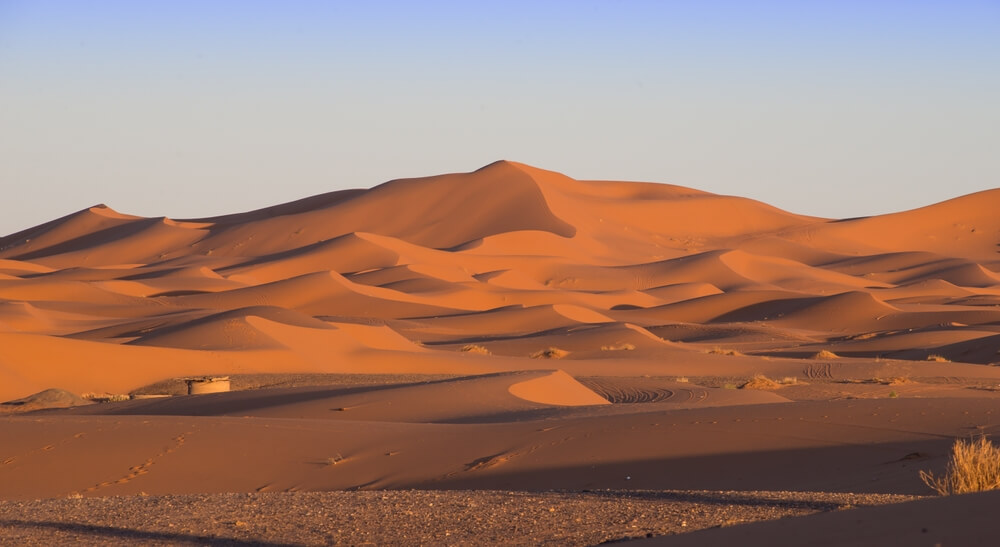
I love how each part of Morocco changes with the seasons. The coast gets cool breezes in places like Agadir and Essaouira. Meanwhile, the High Atlas mountains can still have snow.
Spring in the Atlas Mountains is beautiful, from March to May. It’s one of the best seasons in Morocco for nice weather and trails. Summer gets hot in the cities, but the coast is cooler for beach activities.
Fall brings comfortable days, great for desert trips. Winter is mild in the north and coast, with skiing in the mountains. Traveling can take a while, like an eight-hour train from Marrakech to Fes.
Talking to locals, I learn about secret spots that bloom in certain weather. They shared an article on desert escapes near Marrakech. It’s easy to travel to Morocco any season. Each visit offers new views and wonder.
Morocco is big, with over 37 million people and an area like California. It has a changing climate in its four seasons. January might be cold in some places, but it’s great for desert trips.
I joined local Amazigh communities in the High Atlas during Yennayer. This event is in the Morocco festival calendar. It shows cultural fun far from usual tourist spots.
July and August are very hot in Marrakesh. So, some tours stop until it cools down. Coastal cities like Casablanca and Essaouira stay nice all year. A recent guide helped me plan my winter visit better.
Here’s a useful tip from the guide.
“I never expected snowfall near Ifrane in November or apple orchards flourishing in Midelt by October,” a fellow traveler told me.
Morocco’s weather is more than what you see in pictures. My advice is to be open to each place’s own way. And watch the Morocco festival calendar for special moments you won’t forget.
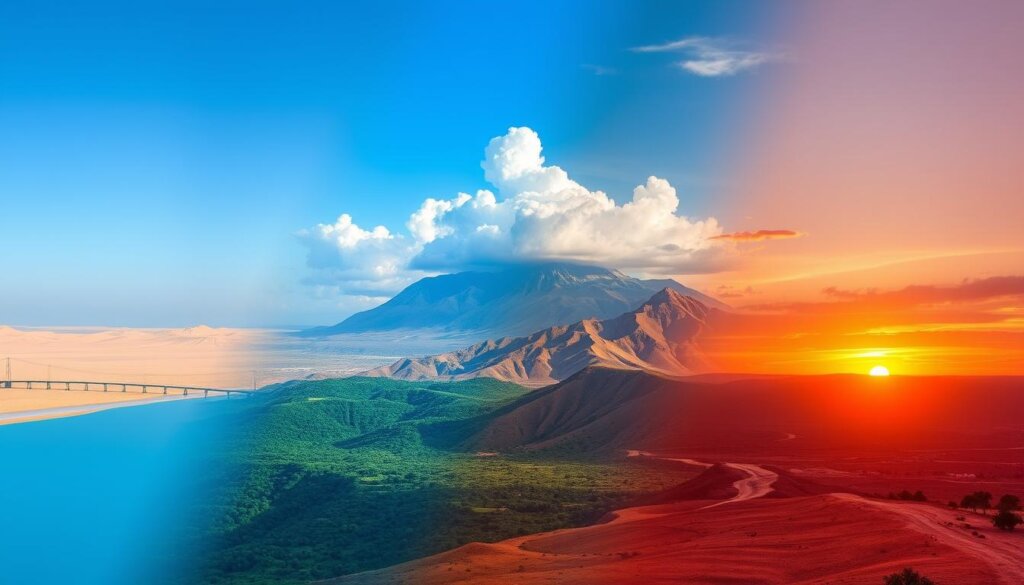
March to May shows Morocco in full bloom. The days are warm, but not too hot. It’s the best time to see Casablanca and Chefchaouen.
Every area of Morocco comes alive in its own way. It’s a season full of life and color.
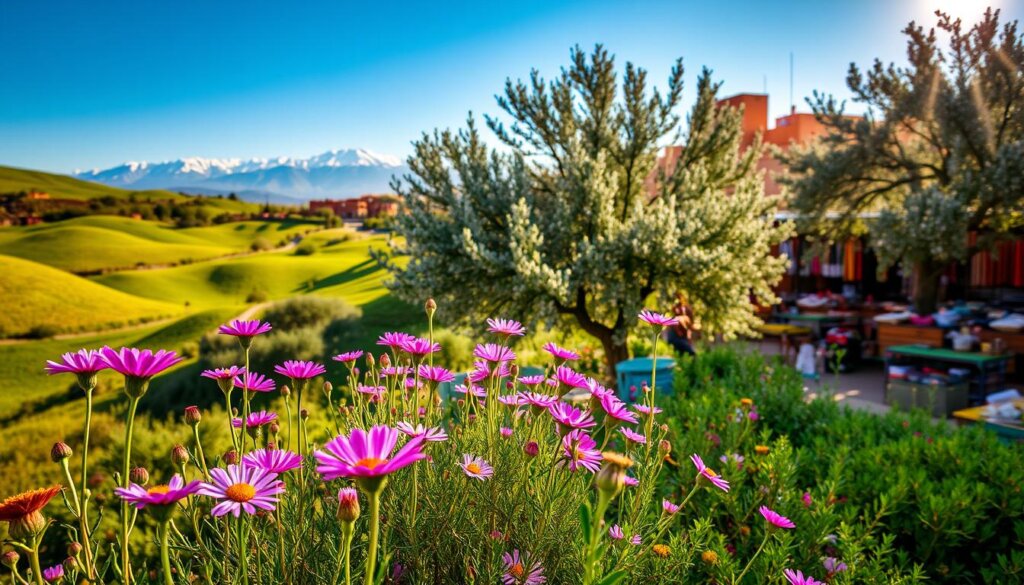
When snow melts, flowers cover the hills. Walking trails, I find stunning views. Wildflowers add vibrant colors everywhere.
The weather is just right, from 60 to 75°F. It’s perfect for hiking with a cool breeze.
Cultural festivals are a big deal, like the Festival des Roses. The air is filled with rose petals. Local traditions shine with colorful parades.
This festival is a must-see. It’s a time to enjoy sights, sounds, and smells of spring.
June through August is exciting for Summer travel in Morocco. Inland areas can hit 100°F. But, Essaouira or Agadir offer cool Atlantic breezes.
Beach towns buzz with people escaping the heat. This lively atmosphere boosts my energy.
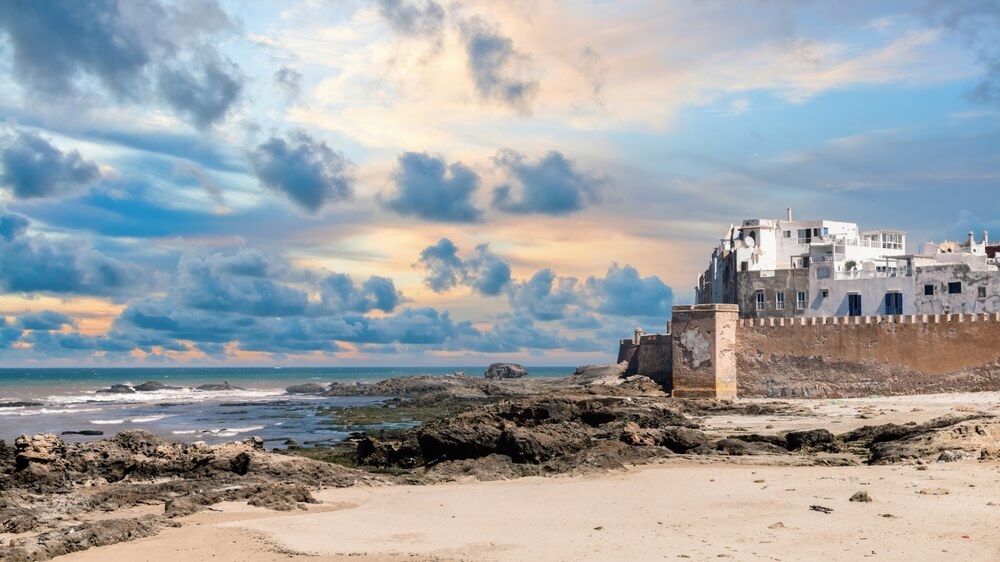
To beat the heat, I drink lots of water and wear light clothes. I also plan my days lightly. Exploring at dusk is fun.
I read this guide to pack right. The coast is a cool escape from the hot interior. So, I mix city tours with beach breaks.
| Location | Avg. High (July) | Popular Activity |
|---|---|---|
| Marrakech | 100°F | Night markets at Jemaa el-Fna |
| Essaouira | 82°F | Beach relaxation and fresh seafood |
| Agadir | 85°F | Watersports along the Atlantic |
I love the lively vibe that September brings. It’s the best time to see how locals celebrate with open arms. The beaches are less crowded, and the date harvest adds a unique touch to Fall in Morocco.
A harvest festival shows the heart of Moroccan culture. Local farmers display their produce in colorful stalls. The smells and tastes of fresh dates bring me closer to the people and their traditions.
The weather is just right for exploring. I enjoy walking through busy medinas or along scenic coasts. The evenings are cool, perfect for dining outside and strolling under lanterns.
This season is special for desert trips. The cooler dunes and stunning sunsets are breathtaking. Morocco desert tours are more enjoyable without the summer heat.
| Month | Average Temperature (°F) | Event |
|---|---|---|
| September | 68–85 | Date Harvest |
| October | 65–80 | Prime Desert Trekking |
| November | 60–75 | Fewer Crowds |
I love the cool air of Winter in Morocco. January is the coolest month, with highs around 50–68°F. The medinas are quiet, as most tourists prefer warmer weather.
This means I can explore Marrakech or Fez easily. I enjoy trying tasty tagines and sipping mint tea without rush.
Mountainous areas are especially beautiful in winter. I wear layers for the snow on peaks. Desert trips are more comfortable, with gentle heat during the day and cool nights.
Camel rides in the Sahara are more enjoyable in this weather. Coastal cities like Casablanca and Rabat stay mild. This makes my walks refreshing, without being too cold.
I love planning trips when not many people are around. It’s a chance to find great deals and enjoy places without the crowds. In January, the weather is just right for outdoor fun, from 51°F to 68°F in many areas.
Planning my trips in Morocco, I always look for the best deals. Traveling off-peak lets me connect with the local culture more deeply. It’s rewarding to find amazing deals on flights and places to stay.
Booking early saves money and lets me enjoy special winter events. It’s great to take camel rides in the Sahara or explore coastal towns at my own pace.
Stay Here accommodations offer comfort and real local experiences. They fit all budgets, so I can enjoy local food, events, and unforgettable trips. It inspires me to plan more Moroccan adventures.
I always think about what drives me to explore a new destination before deciding on travel dates. My research shows that May and September are great. They have mild days and lively celebrations.
Spring is colorful with blooms and averages around 75°F. This makes my excursions across vibrant landscapes even better.
Fall is warm with temperatures around 84°F by day. Nights get cooler. This mix is perfect for guided tours, beach relaxation, or trekking in mountains. Each season shows a different side of Morocco.
My favorite approach is scanning the Morocco festival calendar for events that match my interests. Yennayer in early January shows me ancestral traditions. Gnaoua World Music in Essaouira or Mawazine in Rabat open windows into Moroccan rhythms in summer.
During Ramadan, daily routines change, but food markets bloom with authentic treats.
Morocco city breaks energize me when I weave in cultural gatherings. I plan short visits around festival weekends. Then, I venture into rural trails.
This method pairs a bustling medina experience with scenic landscapes. A perfect itinerary balances urban discovery with off-the-path escapes.
| Festival | Date Range | Location |
|---|---|---|
| Yennayer | Early January | Nationwide |
| Ramadan | Varies Each Year | Throughout Morocco |
| Gnaoua World Music | Summer | Essaouira |
| Mawazine | Summer | Rabat |
Morocco is full of surprises every month. Some like spring’s mild weather from March to May. It’s perfect for seeing flowers and enjoying outdoor markets.
Others love autumn’s golden light from September to November. The evenings get cool, and towns come alive with festivals.
For fewer crowds, I visit in winter from December to February. The cooler weather and snow in the Atlas Mountains are great. Plus, the coast is lively with ocean activities.
Every season has its charm. Cities like Marrakesh, Fez, and Casablanca are full of cultural wonders. Essaouira is great for surfing and wind sports.
Planning a trip to Morocco lets me create an amazing journey. Whether it’s desert camping, exploring medinas, or attending festivals. Morocco always surprises me, leaving me with wonderful memories.

Do You Have to Wear a... Read More

Food Etiquette in Morocco: Essential Rules... Read More
Do You Have to Cover Up... Read More
Join The Discussion